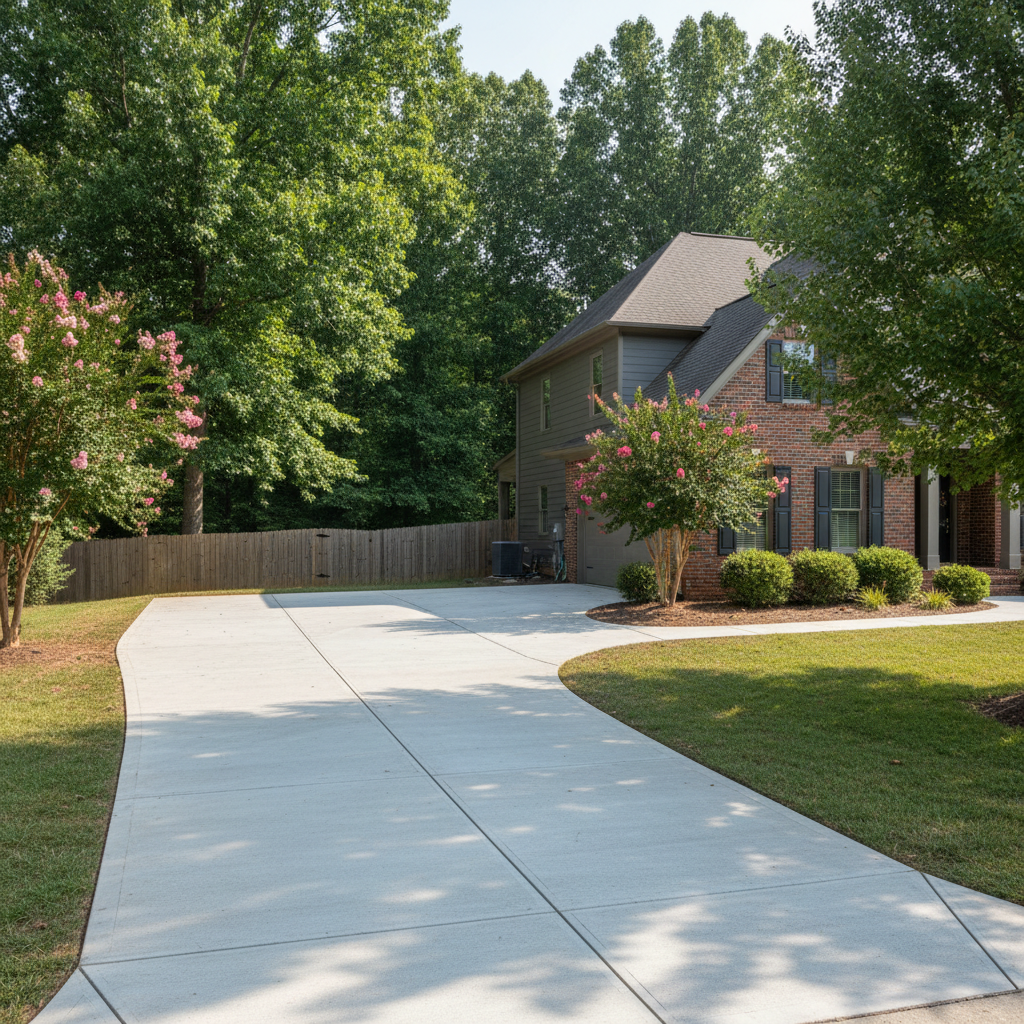
You're thinking about sprucing up your place with some new concrete, right? Maybe a fresh driveway, a nice patio out back, or a sturdy walkway. That's a great idea! Concrete definitely adds value and makes things more functional, no doubt about it.
But look, I've been pouring concrete for a long time here in Oak Ridge, and I've seen plenty of projects hit a snag because homeowners missed a few crucial details. Let's chat about the most common mistakes I see people make. That way, you won't end up regretting your investment.
Mistake #1: Hiring the Cheapest Bid
This is probably the biggest one, a real classic. Everyone wants to save a buck, I totally get that. But when it comes to concrete, the cheapest bid almost never gives you the best value. What you're usually getting is a crew that's cutting corners. They might skimp on the sub-base prep, use a lower-grade concrete mix, or rush the curing process. All these shortcuts lead to problems later on: cracking, spalling, uneven surfaces. You'll just pay more to fix it down the line than you would have if you'd simply hired a quality contractor from the start.
Always ask for detailed bids. Don't just stare at the bottom line. What kind of concrete mix are they planning to use? How thick will it be? What's their process for getting the site ready and handling drainage? A good contractor will be upfront about all this stuff. If they can't explain it, or they're vague, that's a big red flag.
Mistake #2: Ignoring Site Prep and Drainage
This one really ties into the whole "cheap bid" problem. Concrete is only as good as what's underneath it. Here in Oak Ridge, especially with some of our older homes built on those sloped lots or in areas with heavy clay soil, proper site preparation and drainage are absolutely vital. If your contractor just pours concrete over unprepared ground, you're asking for trouble. Water will collect, those freeze and thaw cycles (which we definitely experience here) will do serious damage, and your slab will crack and shift.
We always make sure the ground is properly graded, compacted, and that there's a solid, well-draining sub-base. Sometimes that means adding gravel, sometimes it means more extensive digging. Don't let anyone tell you it's not important. It's the foundation of your foundation, really.
Mistake #3: Not Understanding the Curing Process
Once the concrete is poured, the job isn't actually done. The curing process is just as important as the pour itself. This is when the concrete really gains its strength. If it dries out too quickly, you'll end up with surface cracks and a weaker slab. I've seen homeowners eager to use their new driveway or patio right away, or contractors who don't properly protect the fresh concrete.
Good contractors will explain how they'll cure the concrete—whether that means keeping it wet, using special curing compounds, or covering it. They'll also tell you how long you need to wait before walking on it, driving on it, or putting heavy furniture out. Listen to them! Don't jump the gun. A little patience here pays off big time in the long run.
Mistake #4: Skipping Reinforcement
Some smaller projects might seem like they don't need reinforcement, but I almost always recommend it. Wire mesh or rebar significantly boosts your concrete's strength and helps it resist cracking. It basically holds the slab together if minor cracks do form, stopping them from becoming major issues.
It's a small added cost upfront, but it gives you a huge amount of insurance against future problems. If a contractor suggests skipping it to save a few bucks, you should be wary. It’s a common shortcut that leads to premature failure.
Mistake #5: Not Getting a Clear Contract and Warranty
Before any work starts, you absolutely need a written contract. This isn't just about the price; it should spell out the scope of work, the materials used (concrete strength, thickness, reinforcement), the timeline, the payment schedule, and what happens if there are delays. And just as important, ask about their warranty. What exactly do they cover? For how long? What voids the warranty?
A reputable company like Valley Concrete will give you a clear, written contract and stand by their work. If a contractor hesitates to put things in writing or offers a vague verbal agreement, walk away. You need that protection, don't you?
Mistake #6: Overlooking Expansion and Control Joints
Concrete expands and contracts with temperature changes. That's just what it does. If you don't give it places to do that, it will crack wherever it wants. That's why expansion joints and control joints are so important. Expansion joints separate the concrete from other structures (like your house foundation) or from other large slabs.
Control joints are those saw cuts or grooves you often see in sidewalks and driveways. They create weakened planes where the concrete is encouraged to crack in a straight, controlled line, rather than randomly across your beautiful new surface. Make sure your contractor plans for these properly. It’s a small detail that makes a huge difference in how long your concrete lasts and how it looks.
Doing your homework and asking the right questions upfront can save you a lot of headaches and money down the road. Don't be afraid to be thorough. It's your home and your investment, after all.