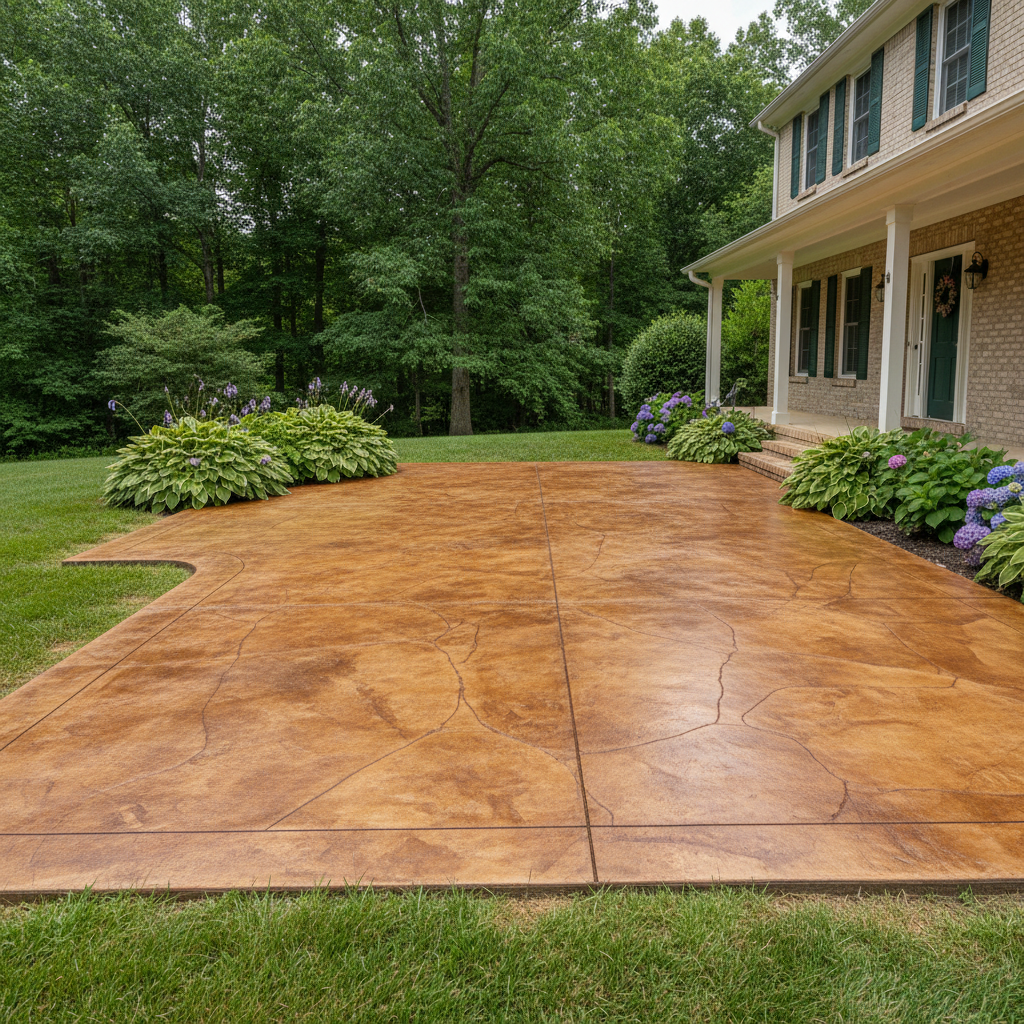
So, you've got some gorgeous stained concrete, maybe a patio, a walkway, or even an interior floor. It looks fantastic, right? That's what we aim for at Valley Concrete. But getting it stained is just the first step. To keep it looking that good for years, especially with our Tennessee weather, you've got to give it a little love. I'm talking about maintenance, and it's not as hard as you might think.
Extending the Life of Your Stained Concrete
The biggest thing you can do to extend the life of your stained concrete is proper sealing. When we finish a staining job, we always apply a high-quality sealer. This sealer is your concrete's first line of defense against everything – UV rays, moisture, foot traffic, and even chemical spills. But sealers don't last forever, especially outdoors. For exterior stained concrete, like a patio or a pool deck, you're usually looking at resealing every 2-3 years. For interior floors, where it's not exposed to the sun and rain, you might get 5-7 years out of a good sealer, sometimes even longer in low-traffic areas.
When it's time to reseal, you'll want to clean the surface thoroughly first. Get rid of any dirt, grime, or old wax. Sometimes, a simple pressure wash (on a low setting, don't blast it!) is enough for exterior surfaces. For interiors, a good mop with a mild cleaner will do. Once it's clean and completely dry, you can apply a new coat of sealer. If you're not comfortable doing it yourself, that's what we're here for. We know the right products and techniques to make sure it's done right and protects your investment.
Regular Maintenance: Keeping it Clean
Daily or weekly maintenance is pretty straightforward. For interior stained concrete, a regular sweep and mop is usually all it takes. Use a pH-neutral cleaner; harsh chemicals can strip your sealer over time or even damage the stain itself. Think simple, like a diluted dish soap or a cleaner specifically designed for sealed concrete floors. Stay away from anything abrasive, too, like steel wool, which can scratch the surface.
For exterior stained concrete, you're dealing with leaves, dirt, pollen, and sometimes even algae. A good sweep or a quick rinse with a garden hose can do wonders. If you've got stubborn spots, a soft brush and some mild soap should handle it. Here in Oak Ridge, we get a good bit of humidity, especially in the summer. That can lead to mildew or algae growth on shaded concrete. A light bleach solution (1 part bleach to 10 parts water) can help, but always rinse it thoroughly afterwards. Just be careful around plants.
One thing I always tell folks: try to clean up spills quickly. Especially things like oil, grease, or anything acidic. While the sealer provides protection, letting spills sit for too long can still cause issues, especially if the sealer is starting to wear thin.
Warning Signs: When to Pay Closer Attention
Your concrete will tell you when it needs attention. You just have to know what to look for. The most common sign that your sealer is wearing out is when water no longer beads up on the surface. If water soaks in or leaves a dark wet spot that takes a while to dry, your sealer is probably compromised. That's a good indicator it's time to reseal.
Other warning signs include dulling of the color, especially in high-traffic areas or spots exposed to direct sunlight. You might notice some fading or a 'chalky' appearance. For exterior concrete, you might start seeing small cracks or pitting if water is getting underneath the sealer and freezing and thawing, which is a real concern with our winters here. We don't get extreme cold for months on end, but those freeze-thaw cycles can be brutal on unprotected concrete.
If you see actual peeling or flaking of the sealer, that's a definite sign it's time for a professional assessment. This usually means the sealer wasn't properly bonded, or there's an issue with moisture. And if you notice any new, significant cracks in the concrete itself, that's a bigger structural concern that needs immediate attention, regardless of the staining.
When to Call a Professional
You can handle a lot of the routine cleaning and even some resealing yourself. But there are times when it's best to call in the pros. If your sealer is peeling or failing badly, it might need to be stripped and reapplied, which is a more involved process. If you're unsure about what type of sealer to use, or how to properly prepare the surface for resealing, give us a shout. Using the wrong product can actually do more harm than good.
Any significant damage to the concrete itself – deep cracks, spalling (where pieces of the surface break off), or widespread pitting – usually requires professional repair. We can assess the damage and recommend the best course of action, whether it's crack repair, resurfacing, or even a complete replacement if the integrity of the slab is compromised. We've seen it all, from minor wear on a residential driveway in Hendrix Creek to major issues on commercial floors downtown. Don't let a small problem turn into a big, expensive one. A quick call to Valley Concrete can save you a lot of headaches down the road.