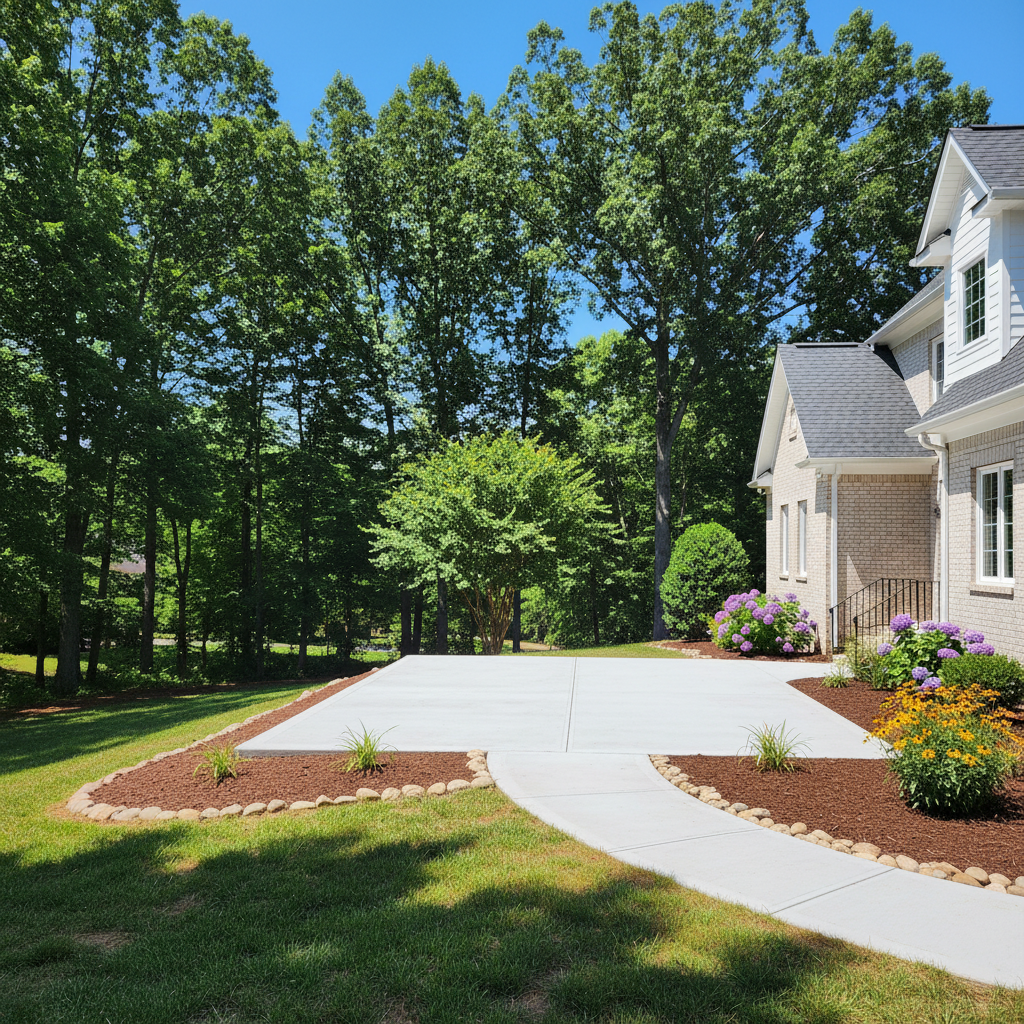
When's the best time to pour concrete around here? That's a question I get a lot, and it's a good one. See, concrete isn't just concrete; it's a living, breathing material that reacts to its environment, especially temperature and moisture. Here in Oak Ridge, with our distinct seasons, knowing when to schedule your project—and what to watch out for—can make all the difference in how long your investment lasts.
Understanding Our Oak Ridge Climate
Our weather in East Tennessee can be a bit of a rollercoaster, can't it? We get hot, humid summers, often with sudden downpours, and then winters that can swing from mild to freezing in a heartbeat. These extremes are tough on concrete, especially during its critical curing phase. You wouldn't want to pour a new patio only to have a surprise cold snap ruin its strength, or a scorching heatwave dry it out too fast, causing cracks.
The ideal temperature for concrete to cure properly is generally between 50 and 80 degrees Fahrenheit. This allows the hydration process—where the cement reacts with water to harden—to happen at a steady, controlled rate. Too hot, and it dries too quickly, leading to shrinkage cracks and reduced strength. Too cold, and the hydration slows down or stops, risking freeze-thaw damage before it's even fully set.
When to Schedule Your Concrete Project
So, considering our local climate, what's the sweet spot?
- Spring (Late March to Early June): This is often prime time. Temperatures are usually mild, not too hot, not too cold. We do get our share of spring showers, but a good contractor like Valley Concrete knows how to manage that with proper coverings and scheduling. The ground is also usually thawed and workable after winter.
- Fall (Late September to Early November): Another excellent window. The intense summer heat has usually broken, and we often have long stretches of dry, moderate weather. This gives the concrete plenty of time to cure before the really cold weather sets in.
- Summer (Mid-June to Mid-September): We can definitely pour concrete in the summer, but it requires more careful planning and specific techniques. We might need to pour earlier in the morning to avoid the peak heat, use special admixtures to slow down drying, and ensure constant curing. It's doable, but the risks of rapid drying and cracking are higher if not managed expertly.
- Winter (Late November to Early March): This is generally the toughest time for new concrete pours in Oak Ridge. Freezing temperatures can be a real problem. If we do pour in winter, it requires specialized cold-weather concreting practices, like using heated blankets, accelerators, and careful monitoring. It adds complexity and cost, and often, it's just better to wait for warmer weather unless it's an absolute emergency.
Protecting Your Concrete Investment Year-Round
Once your concrete is in, you want it to last, right? Here are a few things you can do to protect it from our Oak Ridge weather:
- Sealing is Key: I can't stress this enough. A good quality sealer, applied correctly, protects your concrete from moisture penetration, freeze-thaw cycles, de-icing salts, and even oil stains. We recommend sealing new concrete within the first year and then every 2-5 years depending on traffic and exposure. It's like sunscreen for your concrete.
- Mind the Drainage: Make sure water drains away from your concrete surfaces, not towards them. Poor drainage can lead to water pooling, which is a recipe for trouble, especially in winter when that water freezes and expands.
- Be Careful with De-Icers: Many de-icing salts, especially those containing ammonium nitrates or sulfates, can severely damage concrete. Stick to sand for traction or use calcium chloride-based products sparingly. Better yet, shovel early and often!
- Clean Regularly: A simple sweep and occasional wash can prevent dirt and grime from building up and potentially staining or degrading the surface over time.
Ultimately, getting your concrete project done right in Oak Ridge means working with someone who understands our local conditions. We've been doing this for years, and we know how to handle the heat, the cold, and everything in between to give you a durable, long-lasting surface. If you're thinking about a new driveway, patio, or walkway, give Valley Concrete a call. We'll help you pick the best time and make sure it's done right.