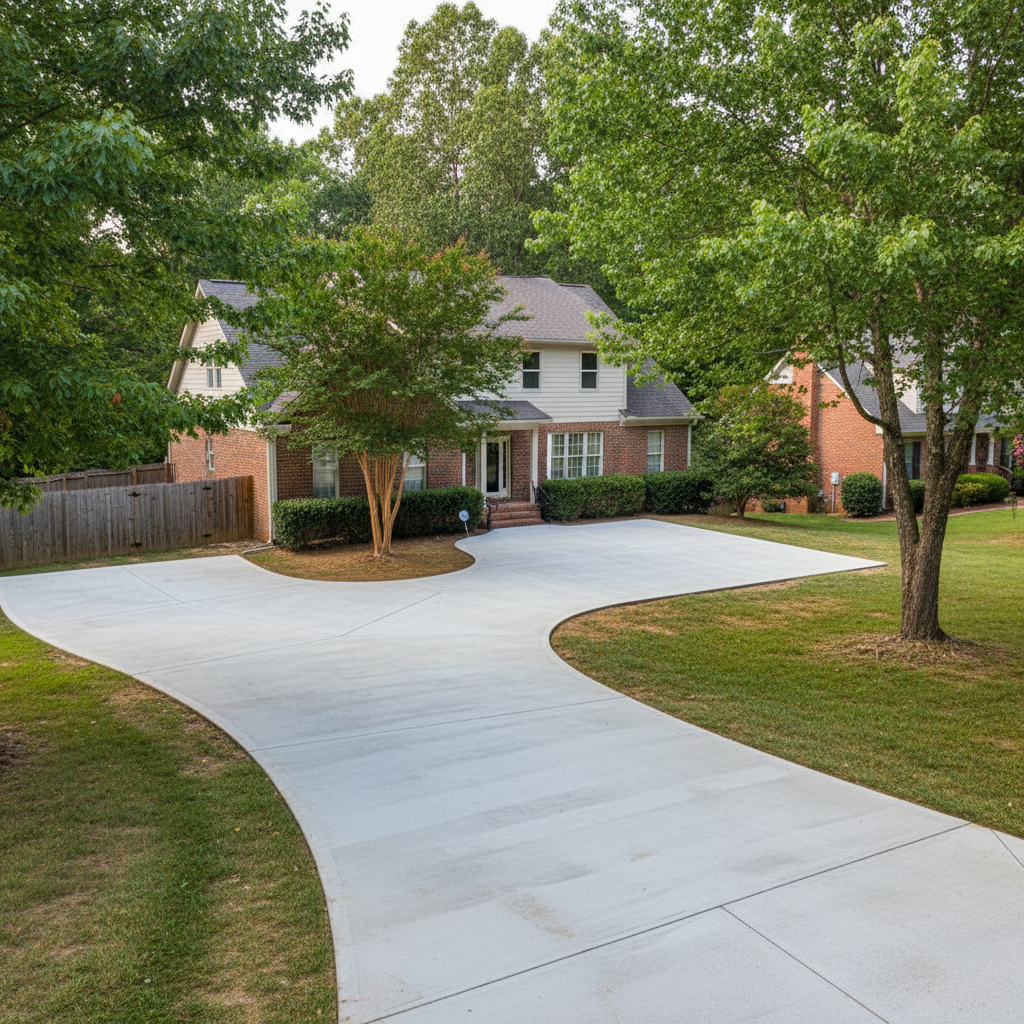
So, you’re thinking about a new concrete driveway, patio, or walkway for your place here in Oak Ridge? Good choice; solid concrete flatwork really bumps up both curb appeal and how useful your property is. But before we even talk about pouring, there’s a whole lot of planning that goes into making sure your project goes smoothly and you end up with exactly what you pictured.
Setting Your Timeline: What to Expect
Let’s hit timing first, because that’s where folks often get tripped up. Concrete isn’t a rush job, and frankly, good contractors aren’t either. From your first phone call to the finished product, it’s definitely a process.
- Initial Contact & Site Visit: You give us a call, and we set up a time to come out. This usually happens pretty quickly, within a few days to a week. We’ll check out your property, chat about your ideas, and take some measurements.
- Estimate & Proposal: After our visit, we’ll put together a detailed estimate for you. This might take a few days, especially if there are tricky design elements or grading issues involved. And hey, don’t just grab the cheapest bid; make sure you’re really comparing apples to apples when it comes to the scope of work and materials.
- Scheduling: Once you’ve given the proposal the green light and signed a contract, we’ll get you on our schedule. This is where a little patience comes in handy. Depending on the season and how busy we are, it could be a few weeks or even a couple of months out. Spring and fall are always hopping around here in Oak Ridge, you know?
- Permits: For bigger projects, like a new driveway that connects right to a city street or significantly changes your drainage, you might need a permit from the City of Oak Ridge. We can help you figure out if one’s necessary and walk you through that whole process, but it does add some time.
- Project Duration: Once we actually start, the work itself usually takes anywhere from a few days for a small patio to a week or more for a larger driveway that needs a lot of prep. This covers everything: demolition, grading, forming, pouring, and finishing.
- Curing Time: This part is super important and people often forget about it. You absolutely can’t drive on new concrete for at least 7 days, and honestly, it’s best to wait 28 days for it to reach its full strength. We’ll give you specific instructions, but whatever you do, don’t plan a big backyard bash on your new patio the day after it’s poured.
What Happens During the Project?
Knowing the steps helps you understand what’s actually going on in your yard. It’s not just magic, though sometimes it looks like it!
- Demolition & Site Prep: If there’s old concrete, asphalt, or just grass, we’ll get rid of it. Then, we’ll grade the area to make sure water drains properly, away from your home. This is incredibly important, especially with our clay soils here in Oak Ridge; you really don't want water pooling up against your foundation. We’ll also compact the sub-base to create a nice, stable foundation for the concrete.
- Forming: We’ll set up wood or metal forms to create the exact shape and size of your new concrete slab. This is where your project’s lines really start to appear.
- Reinforcement: Depending on the job, we’ll lay down rebar or wire mesh. This isn't just for looks; it adds strength and helps keep cracks from forming.
- Pouring & Finishing: The concrete truck rolls up, and we get right to work. This part moves fast. We’ll pour the concrete, spread it out, and then use different tools to get the finish you want – whether that’s a smooth trowel finish, a broom finish for traction, or something more decorative.
- Curing: After the pour, we’ll put on a curing compound or cover the concrete. This makes sure it cures slowly and evenly, which minimizes shrinkage cracks and makes it as strong as possible.
How to Get Your Property Ready
You’ve got a part to play too! A little preparation on your end makes our job easier and helps keep things on schedule.
- Clear the Area: Move any outdoor furniture, planters, grills, or anything else in the work zone. We definitely don’t want to accidentally damage your favorite rose bush or, heaven forbid, a garden gnome.
- Access: Make sure our trucks and equipment can get in and out easily. If you have a narrow driveway or gate, please let us know upfront.
- Utilities: Mark any sprinkler heads, underground dog fences, or shallow utility lines you know about. While we always call 811 before digging, knowing about these smaller things helps prevent big headaches.
- Pets & Kids: Keep pets and children away from the work area. Construction sites aren’t playgrounds, and wet concrete is no fun to clean off paws or shoes, trust me.
- Communication: If you have any last-minute questions or concerns, please bring them up before we start.
Questions to Ask Before You Sign
Don’t be shy! A good contractor, like us at Valley Concrete, actually welcomes your questions. Here’s what you really should be asking:
- What’s included in the price? Get a detailed breakdown. Does it cover demolition, hauling away debris, grading, materials, and labor? Are there any potential extra costs that might pop up?
- What kind of concrete mix will you use? Ask about the PSI (pounds per square inch) rating. For driveways, you typically want at least 4000 PSI.
- How will you handle drainage? This is a huge one. Make sure they have a clear plan to direct water away from your home and any neighboring properties.
- What about reinforcement? Will you use rebar, wire mesh, or fiber mesh? How will it be supported within the slab?
- What kind of finish options do I have? Broom finish, smooth trowel, exposed aggregate, stamped? Make sure you actually see samples if you’re unsure.
- Do you pull permits if needed? And who is responsible for that whole process?
- What’s your payment schedule? A reputable contractor won’t ask for 100% upfront, that’s a red flag. Typically, it’s a deposit, progress payments, and then a final payment once everything’s completed.
- Do you have insurance? Ask for proof of both liability and workers' compensation insurance. Don’t skip this step; it protects you if something goes wrong.
- Can you provide references? And actually call them! Ask about their experience with the contractor, if the project stayed on budget, and if they were happy with the results.
- What’s your warranty? What exactly does it cover, and for how long?
By asking these questions and really understanding the process, you’ll feel much more confident about your concrete project. We’re here to make sure your Oak Ridge home gets the best concrete work possible.