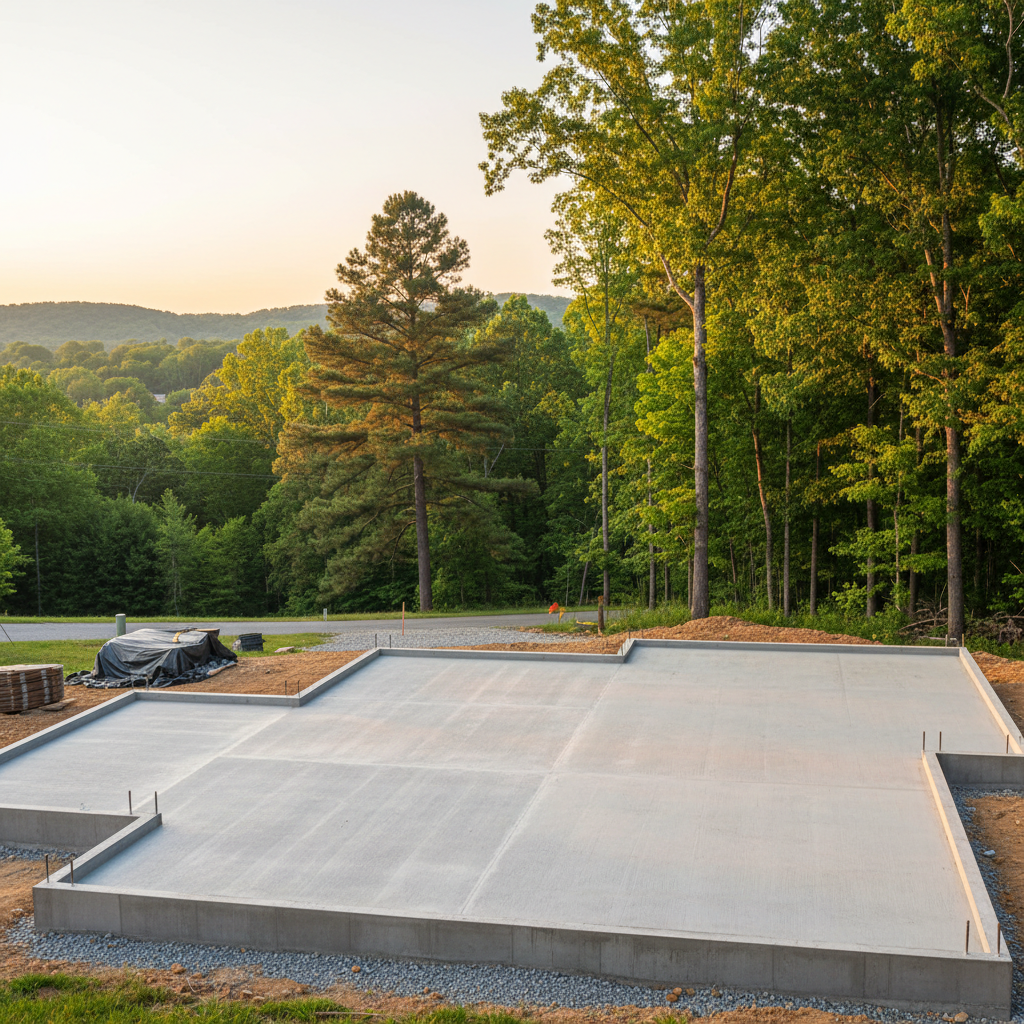
Ever wonder why we talk so much about the weather when it comes to concrete? It's not just us being fussy; it's about making sure your foundation, driveway, or patio actually lasts. Here in Oak Ridge, we get a real mix of everything, and that plays a huge role in how concrete acts.
When's the Best Time for Concrete Work Around Here?
Honestly, the sweet spot for pouring concrete in Oak Ridge is usually spring and fall. Think mild temperatures, not too hot, not too cold. When it's too hot, like those scorching July and August days we get, the water in the mix evaporates way too fast. That can lead to premature drying, cracking, and a weaker slab. We can still pour in the heat, sure, but it needs more careful planning, special additives, and sometimes even working during the cooler parts of the day, like early mornings.
On the flip side, winter brings its own set of problems. Concrete needs to cure properly, and that process slows way down when it's cold. If the temperature drops below freezing too soon after a pour, the water in the concrete can freeze and expand, ruining the slab's strength and integrity. We've got ways to handle it – special mixes, insulated blankets, and even temporary enclosures with heaters – but it adds complexity and cost. So, if you can, aim for April through June or September through November. That's when you'll generally get the best results without us having to fight Mother Nature too hard.
How Our Local Weather Messes With Concrete
It's not just the temperature during the pour; it's what happens after, too. We have a pretty decent freeze-thaw cycle here in East Tennessee, don't we? Those winter days where it gets above freezing, then dips below at night? That's rough on concrete. Water gets into tiny cracks or pores, freezes, expands, and slowly breaks down the surface. This is especially true for things like driveways and sidewalks that get a lot of direct exposure.
Then there's the rain. We get plenty of it. Good drainage around your foundation is absolutely critical. If water is constantly pooling against your house, it can seep into the soil underneath your foundation, leading to settlement issues over time. This is particularly important for homes built on some of our more clay-heavy soils, like you find in parts of the Hendrix Creek area. Clay expands when wet and shrinks when dry, which can put a lot of stress on a foundation if not properly managed.
Humidity also plays a role. High humidity can slow down the drying process, which isn't always a bad thing, but it means we need to be patient. Low humidity, especially with wind, can dry out the surface too quickly, potentially causing surface cracks.
Protecting Your Concrete Investment Year-Round
You've put good money into your concrete, whether it's a foundation, a patio, or a driveway. Here's what you can do to protect it:
- Good Drainage is Key: Make sure your gutters are clean and extend far enough away from your house. The ground around your foundation should slope away from the house, not towards it. This is probably the single most important thing you can do to protect your foundation.
- Seal It Up: For exterior concrete like driveways and patios, applying a good quality sealer every few years is a smart move. It helps repel water, resists stains, and protects against that freeze-thaw damage we talked about. Think of it like sunscreen for your concrete.
- Watch for Cracks: Small hairline cracks are normal in concrete; it's just how the material works. But if you see cracks widening, sections lifting, or significant new cracks appearing, especially in your foundation, don't ignore them. Give us a call at Valley Concrete to come take a look. It's always better to address potential issues early.
- Avoid De-icers with Ammonium Nitrates or Sulfates: These chemicals can be really harsh on concrete and cause surface damage. Stick to sand or de-icers specifically labeled as concrete-safe.
- Keep it Clean: Regular cleaning prevents moss, mildew, and other organic growth from taking hold and potentially causing surface deterioration.
Taking a little time to understand how our Oak Ridge climate affects your concrete and doing some basic maintenance can save you a lot of headaches and expense down the road. Your home's foundation is literally the base of everything, so it's worth taking care of.