What's the real cost of a concrete patio in Oak Ridge?
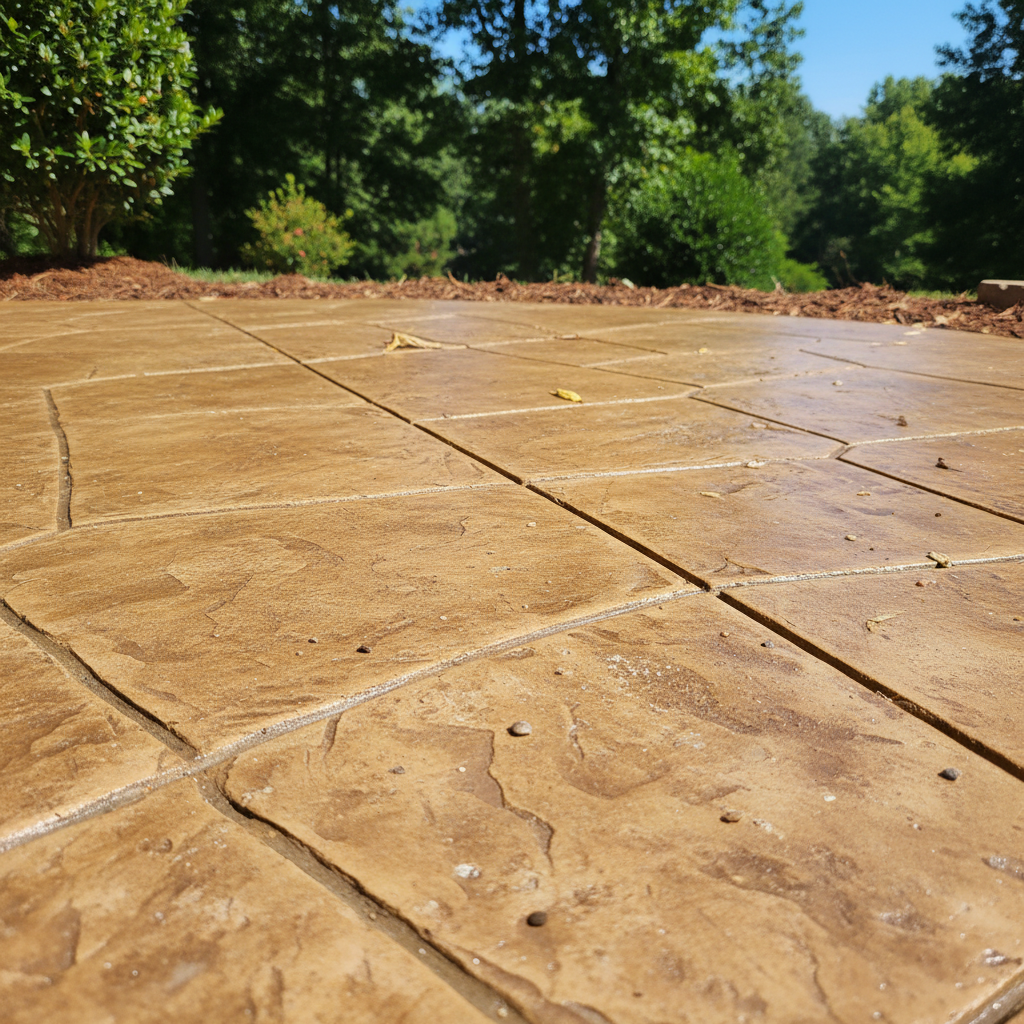
Alright, let's get straight to it. Everyone wants to know about cost, and it's not a simple one-size-fits-all answer, especially here in Oak Ridge. Generally, you're looking at anywhere from $5 to $15 per square foot for a basic, broom-finished concrete patio. But that's just the starting point. If you want something fancier, like stamped concrete that mimics stone or brick, or maybe a stained and sealed finish, you can easily push that up to $15 to $30+ per square foot. Things that drive the price up include site prep – if we have to do a lot of grading or bring in fill dirt, that adds to the labor and material. Access to the site matters too; if we can't get a concrete truck close, we might need pumps, and those aren't cheap. Plus, any decorative work, special colors, or intricate patterns will increase the cost. We always give a clear, itemized quote so you know exactly what you're paying for.
How long does a concrete patio last?
A well-installed concrete patio, done right the first time, should last you a good 20 to 30 years, easily. I've seen some go even longer. The key is in the prep work – making sure the base is solid, properly compacted, and that the concrete mix is right for our climate. Here in East Tennessee, we get those freeze-thaw cycles, especially in the winter, which can be tough on concrete if it's not installed correctly. That's why proper drainage and a good quality mix with the right air entrainment are crucial. If you neglect it, don't seal it, or if it was poured on a poorly prepared base, you'll see cracks and spalling a lot sooner. But with a little care, it's a very durable option.
Do concrete patios always crack?
Look, concrete shrinks as it cures, it's just a fact of physics. So, yes, some cracking is almost inevitable over the lifespan of a patio. The goal isn't to prevent all cracks – that's impossible – but to control where they happen. We do this by installing control joints (those cuts you see in concrete) at specific intervals. These joints create weak points, encouraging the concrete to crack neatly along the lines we've cut, rather than randomly across your patio. If you see hairline cracks within those control joints, that's usually normal and nothing to worry about. Big, wide, or uneven cracks outside of the joints can indicate a problem with the base or the pour itself, and that's when you should give us a call.
What's the deal with sealing? Do I really need to do it?
Absolutely, you need to seal your concrete patio. Think of it like putting sunscreen on your skin or a clear coat on your car. Sealing protects the concrete from moisture penetration, which is a big deal with our wet Oak Ridge weather. It helps prevent staining from leaves, spills, and dirt, and it also protects against those freeze-thaw cycles I mentioned earlier. Unsealed concrete is more porous, meaning water can get in, freeze, expand, and cause damage like spalling (flaking) or bigger cracks. You should plan to re-seal your patio every 2-5 years, depending on the type of sealer and how much traffic and sun exposure it gets. It's a small investment that goes a long way in extending your patio's life and keeping it looking good.
Can I put a concrete patio over an existing one?
Short answer: sometimes, but it's usually not the best idea. If the existing patio is in really good shape – no major cracks, no settling, good drainage – and you just want to change the look, you might be able to do a thin overlay. But if the old patio has significant issues, like big cracks, uneven spots, or it's sinking, pouring new concrete over it is just asking for trouble. Those problems will almost certainly transfer through to the new layer, and you'll end up with the same issues, just higher up. In most cases, it's better to remove the old patio, prepare a fresh base, and pour new concrete. It's more work upfront, but it gives you a solid, long-lasting result that you won't regret later. We'll always assess your existing patio and give you an honest recommendation.
How do I clean and maintain my concrete patio?
Maintaining a concrete patio isn't rocket science, but it does require a little effort. For general cleaning, a good sweep to remove debris, followed by a hose down, is usually enough. For tougher stains, you can use a mild detergent and a stiff brush. Pressure washing is fine, but use a wide tip and keep the wand moving to avoid damaging the surface or etching the concrete. Be careful with harsh chemicals, especially on colored or sealed concrete, as they can strip the sealer or fade the color. And like I said, re-sealing every few years is your best defense against the elements. If you spill something like oil or grease, try to clean it up as quickly as possible to prevent it from soaking in. That's about it – a little routine care goes a long way to keep your patio looking sharp.
What's the difference between broom finish and stamped concrete?
Okay, these are two very common finishes, and they look completely different. A broom finish is your standard, classic concrete patio. After the concrete is poured and smoothed, we drag a special broom across the surface to create a slightly textured, non-slip finish. It's practical, affordable, and durable. It's what most people think of when they imagine a concrete patio. Stamped concrete, on the other hand, is all about aesthetics. While the concrete is still wet, we use large, flexible mats that have patterns molded into them – things like natural stone, brick, wood planks, or even slate. We press these mats into the concrete to create a textured, three-dimensional surface that mimics those materials. We can also add integral color or surface stains to enhance the look. It's a fantastic way to get a high-end look without the higher cost and maintenance of natural stone. It costs more than broom finish because of the extra labor, materials, and specialized tools involved, but it really elevates the look of your outdoor space, especially in those older Oak Ridge neighborhoods where people are looking to update their homes.