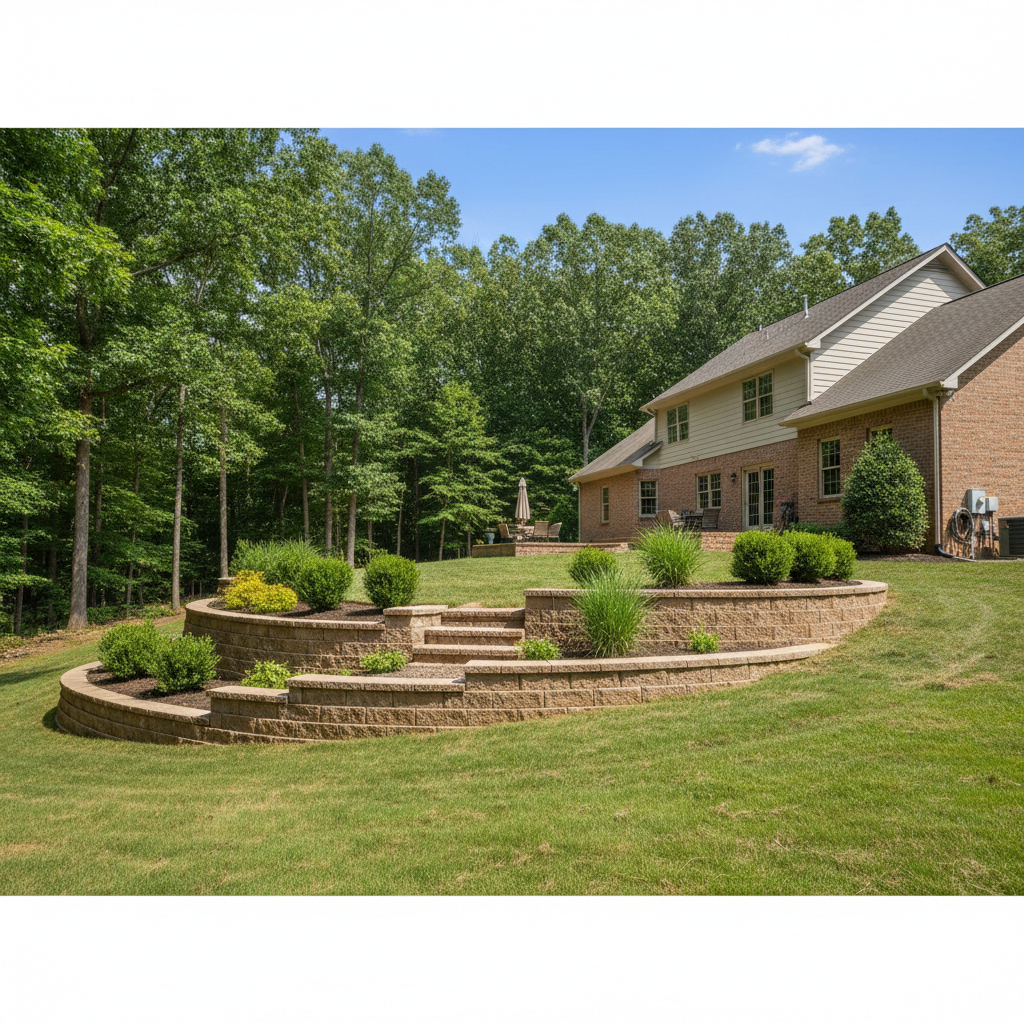
So, you’re thinking about a concrete retaining wall. Maybe you’ve got a sloped yard that’s washing out, or you’re trying to create some usable flat space. Whatever the reason, a good retaining wall is a solid investment, but it’s not a small project. You’ll want to go into this with your eyes wide open. Here’s a breakdown of what to expect and how to get ready.
The Timeline: What to Expect
Let’s talk timing. From your initial thought to the finished wall, this isn’t a weekend DIY. You’re looking at a few distinct phases, and each takes time.
- Initial Research & Calls: You’re doing this now, good for you. You’ll probably call a few contractors to get a feel for their work and availability. This could take a week or two, depending on how quickly you get responses and how many people you want to talk to.
- Site Visit & Estimate: A reputable contractor, like us at Valley Concrete, will want to come out, look at your property, and discuss your needs. We’ll measure, assess the slope, soil conditions, and drainage. This visit is crucial for an accurate quote. Getting a few of these could take another week or two.
- Permits: This is where things can slow down a bit. For most retaining walls over a certain height (often 3-4 feet, but check with the City of Oak Ridge Planning Department), you’ll need a permit. This involves submitting plans, and it can take anywhere from a couple of weeks to a month or more for approval. Don’t skip this. Building without a permit can lead to fines, stop-work orders, or even having to tear down your wall.
- Scheduling: Once permits are in hand and you’ve picked your contractor, you’ll get on their schedule. Good contractors are often booked out a few weeks, sometimes months, especially during peak season.
- Construction: The actual build time varies wildly depending on the size and complexity of the wall. A smaller, straightforward wall might be a few days. A large, complex one could be a couple of weeks.
All in, from your first call to a finished wall, you’re probably looking at 6-12 weeks, maybe longer if there are permit delays or if you’re planning a really big job.
Preparing for the Project
Once you’ve decided to move forward, there are a few things you can do to make the process smoother for everyone:
- Clear the Area: If you have shrubs, old landscaping, or debris where the wall is going, clear it out. The less the crew has to do before they start digging, the better.
- Access: Think about how equipment will get to the site. Are there narrow gates? Is the ground soft? Let your contractor know about any access challenges upfront.
- Utilities: This is a big one. You absolutely need to call 811 before any digging starts. They’ll mark underground utility lines (gas, water, electric, cable). It’s free, it’s the law, and it prevents a really bad day for everyone.
- Neighbors: If the wall is close to a property line, a heads-up to your neighbors is always a good idea. It keeps things friendly.
- Drainage: Consider your yard’s drainage. Oak Ridge has its fair share of clay soil, especially in some of the older neighborhoods like Grove Center, which means water doesn't always perk through quickly. A good retaining wall design will always incorporate proper drainage behind the wall to prevent hydrostatic pressure from building up and pushing the wall over.
What to Ask Before You Sign
You’re about to invest a good chunk of change. Don’t be shy about asking questions. Here’s what I’d want to know if I were in your shoes:
- Are you licensed and insured? This is non-negotiable. Ask for proof. General liability and workers' compensation are critical.
- Do you handle permits? Some contractors do, some expect you to. Clarify this upfront.
- What’s included in the quote? Be specific. Does it include excavation, materials, drainage, backfill, and cleanup? Are there any potential hidden costs?
- What kind of concrete will you use? Ask about the mix design. For a retaining wall, you want a strong, durable mix.
- What’s your warranty on the work? A good contractor stands behind their work.
- Can I see examples of your past retaining wall projects? Photos are great, but if they have a few local ones you can drive by, even better.
- How do you handle changes or unforeseen issues? Sometimes things come up during excavation. How will those be communicated and resolved?
- What’s the payment schedule? Typically, there’s an upfront deposit, progress payments, and a final payment upon completion.
Getting a concrete retaining wall built is a big project, but with the right planning and the right contractor, it’ll add value and function to your home for decades. Take your time, ask the tough questions, and you’ll be glad you did.